It is a monoplane with a mid-positioned wing, fuselage and one engine type monokok, in which the tail, rear, central and main part of the gathered separately, then zistykovuvalys. Mainly in the construction of aircraft Republic F-105 used aluminum alloy 75 ST.
Nasal fuselage consisted of Frame ring and spar. Inside the cabin housed units and weapons systems. In the cabin niche front landing gear. It prybyralas on poltu.
MiG-23 was designed to replace the MiG-21 EDO "Mikoyan". Begin development dates back to 1961 it was decided to build the first aircraft on the basis of MiG-21, but crashed two prototypes OKB began manufacturing new aircraft. Most essential difference was the decision to use a variable geometry wing, which gave him an advantage over western fighters of the 2nd and 3rd pokolin.Krylo has three fixed-position: 16 °, 45 ° and 72 ° on the front spar. Also, innovation was the use of medium-range missiles (up to 23).
Even before the official introduction of serial repair Su-9 (see "Path to Su-9") began their aviation vyhotovlyuvaty number 153 in Siberia and the number 30 "Banner of Labor" in Moscow. Throughout the release Su-9 to constantly improved and upgraded. Mostly this was due to the advent of new equipment and weapons. Thus, in February 1961. was oblitanyy Su-9 (№ 0805) with automatic radiokompasom ARC-10. In the late 1960s aircraft was completed registration automatic flight SARPP-12, and LDPE-5 was replaced by LDPE-18.
The aircraft MiG-23 - vysokoplan made by normal aerodynamic scheme, variable wing strilovydnosti. It has three fixed positions: 16 °, 45 ° and 72 ° on the front spar. Horizontal tail sutsilnopovorotnym. Chassis trohoporne with persistent nasal, taken in the fuselage. Under the fuselage mounted keel, which is right when landing at an angle 95 °. Wheels allow operation from ground airfields. Power plant first modification consists of a thick single-TRDF R-27-300. In later series engines were P-29F-300, P-35-300. Povitryazabyrachi side with adjustable wedges. The composition of weaponry were GSH-23L cannon, guided missiles of "air-air" small and medium-range missile "air-surface" units NAR, bombs caliber up to 500 kg (including tactical nuclear).
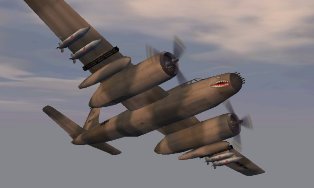
Medium bomber and attack aircraft A-26 Invader (about the history and use read the article "Plane A-26B Invader - short story") is a vysokoplan with Keystone wing, made of laminar profile NAA-NACA. Aircraft length was 15.44 m, height - 5.64 m. fuselage type monokok. Technologically divided into five sections chotyrma power Frame: nasal (A-26 C - cabin navigator, A-26B - Weapons section), second (cockpit), third (bomb bay), fourth (arrow cabin with upper and lower kulementnymy Tower) and the tail section (tail feathers).
Airbus-310 aircraft designed by Airbus-300. The main difference is a shorter fuselage and flight range. A-310 200 series appeared to medium-haul and 300 series has a long-distance. It increased takeoff weight and flight range. The high efficiency achieved by perfectly projected wings.
Nyzkoroztashovane dvohlonzheronnoyi wing structure is located below the engine, the upper and lower wing skin is perceived workload, along with a set force, which provides it a good bearing properties at low speeds. The front edge consoles consists with three flaps. On the back - two sections Fowler flaps. Between sessions roztashuvuyutsya aileron flaps that make high-speed control is provided on roll. At low speeds - while aileron and intertseptoriv (roztashovuyutsya on the upper surface of the wing flaps to the outer sections. From the outside intertseptoriv dvohsektsiynyy brake set. When planting intertseptor brake and working together.
As we wrote in "Airplane A-26 Invader - short story," attack-bomber A-26 the most widely vykorystovuvsya in hostilities with all types of U.S. aircraft. Speed, maneuverability and structural strength made him storm the air.On the basis of the airplane A-26 Invader was designed modifications.Scout FB-26C. Since he had removed all the protective arms. In the city the lower turret housed a radar antenna, in bombolyutsi - photographic equipment. After the 2nd World War aircraft was code RB-26C. Produced commercially, also took part in the Korean and Vietnamese wars.